Why Magnesium Is the 'Master Mineral'
Magnesium participates in over 300 enzymatic reactions, including protein synthesis, muscle and nerve function, blood glucose control, and blood pressure regulation. Despite its critical importance, an estimated 60–70% of people in South Asia are magnesium deficient — primarily due to processed food diets, soil depletion, and high stress lifestyles.
Signs You May Be Magnesium Deficient
- Muscle cramps, twitches, and spasms (especially leg cramps at night)
- Difficulty falling or staying asleep
- Anxiety, irritability, and low stress tolerance
- Fatigue and weakness despite adequate sleep
- High blood pressure
- Migraines and frequent headaches
- Constipation
- Heart palpitations or irregular heartbeat
The 7 Main Forms of Magnesium Explained
Not all magnesium supplements are equal. The form determines absorption rate and which health benefits you'll experience:
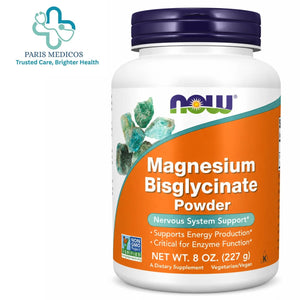
- Magnesium Glycinate (Bisglycinate): Highest absorption, gentlest on the stomach. Best for sleep, anxiety, and general deficiency. The gold standard for supplementation. Recommended for: Sleep issues, anxiety, general health.
- Magnesium Citrate: Good absorption, mild laxative effect. Best for constipation relief and general supplementation. Recommended for: Constipation, general use.
- Magnesium Oxide: Low absorption (only 4%), but cheapest. Often found in low-cost supplements. Mainly useful as a laxative. Avoid for systemic benefits.
- Magnesium Malate: Bound to malic acid. Best for energy production and fibromyalgia/muscle pain. Recommended for: Fatigue, muscle soreness.
- Magnesium L-Threonate: Crosses the blood-brain barrier. Best for brain health, memory, and cognitive function. Most expensive form. Recommended for: Brain health, cognitive decline prevention.
- Magnesium Taurate: Bound to taurine. Best for heart health and blood pressure. Recommended for: Cardiovascular health.
- Magnesium Chloride (topical): Applied as oil or lotion. Best for muscle recovery and localized pain when oral magnesium is not tolerated. Recommended for: Athletes, localized use.
How Much Magnesium Do You Need?
- Adult men: 400–420 mg/day
- Adult women: 310–320 mg/day
- Pregnant women: 350–360 mg/day
- Athletes: 500–600 mg/day (higher losses through sweat)
Start with 200–300 mg/day and increase gradually to assess tolerance, especially with citrate forms that have a laxative effect.
Best Magnesium Supplements at Paris Medicos
- NOW Foods Magnesium Bisglycinate 200mg 120 Vcaps — The highest-absorption form. Chelated magnesium glycinate. Ideal for sleep and anxiety. GMP-certified.
- NOW Foods Magnesium Citrate 400mg 120 Softgels — Good all-round form. Ideal for general supplementation and those with constipation.
- NOW Foods Magnesium Malate 1000mg 180 Tablets — Combines magnesium with malic acid for energy support. Excellent for athletes and fatigue sufferers.
- NOW Foods Magnesium 400mg 180 Capsules — Cost-effective oxide/citrate blend for general use.
- Vitabiotics Ultra Magnesium 375mg 60 Tablets — Premium UK brand with high-elemental magnesium content in tablet form.
Magnesium and Sleep: The Research
Multiple clinical trials have confirmed that magnesium supplementation significantly improves:
- Sleep onset latency (time to fall asleep) — reduced by 17 minutes in one RCT
- Sleep duration and efficiency
- Early morning awakening
- Insomnia severity index scores in older adults
Magnesium works by regulating melatonin and activating GABA receptors — the brain's primary 'calm down' neurotransmitter system. Take it 1–2 hours before bedtime for sleep benefits.
Magnesium Food Sources in Pakistan
- Pumpkin seeds (262 mg per 28g serving)
- Almonds and cashews
- Dark leafy greens (spinach, kale)
- Black beans and lentils
- Whole grain roti/bread
- Dark chocolate (70%+)
- Bananas
Unfortunately, processing, cooking, and soil depletion significantly reduce the magnesium content of foods. Supplementation is often necessary even with a good diet.
Frequently Asked Questions
Q: Can I take magnesium with other supplements?
A: Yes — magnesium pairs well with Vitamin D3 (they work together for bone health), zinc, and B vitamins. Avoid taking with calcium supplements at the same time as they compete for absorption — space them 2 hours apart.
Q: When is the best time to take magnesium?
A: For sleep and relaxation: 1–2 hours before bed. For energy and performance: morning with food. For general supplementation: with the largest meal of the day to reduce GI discomfort.
Q: Is magnesium safe long-term?
A: Food-derived and supplement magnesium is very safe. The tolerable upper intake from supplements is 350 mg/day (excluding dietary sources). Stay within this unless supervised by a doctor.